

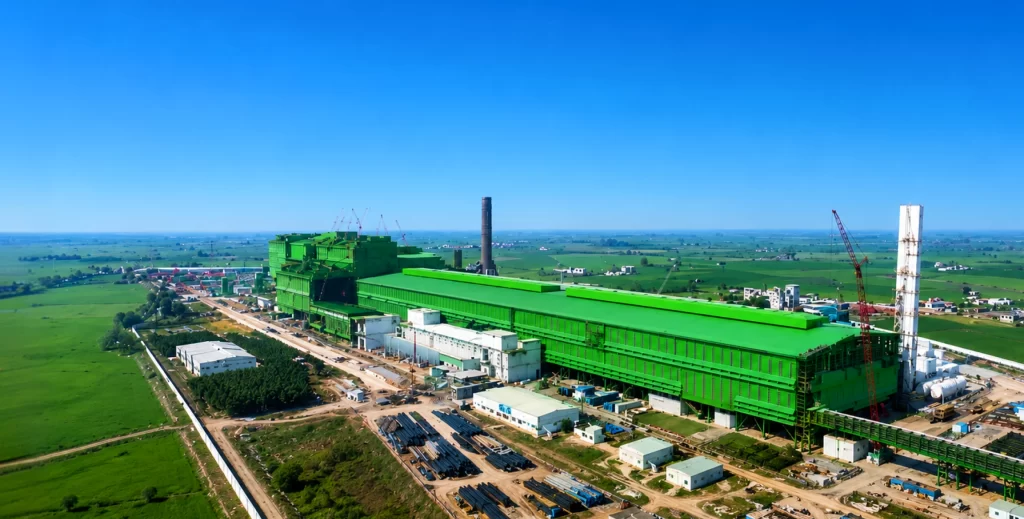
Tata Tiscon’s Ludhiana EAF Plant Powers India’s Green Steel Revolution
Same trusted strength. Now produced through advanced Electric Arc Furnace (EAF) technology with lower CO₂ emissions.
Globally adopted across major steel-producing nations, EAF combines advanced refining technology, controlled production processes, and lower-emission steelmaking to support the future of modern construction.
INDIA’S BIGGEST EAF PLANT
How EAF Green Steel is Manufactured?
Tata Tiscon 550SD from the Ludhiana plant is manufactured via the Electric Arc Furnace (EAF) route at Tata Steel’s Hi-Tech Valley facility, the biggest EAF plant in the country dedicated to rebar production.
The process uses steel sourced from Tata Steel’s state-of-the-art recycling facility in Rohtak. The EAF plant operates with solar power integration, enabling cleaner and more responsible steel manufacturing. The resulting rebar meets IS 1786 specifications at Fe 550D (SD) grade, with carbon emissions below 0.5 tonnes of CO₂ per tonne of steel, up to 80% lower than traditional BF-BOF steelmaking routes.
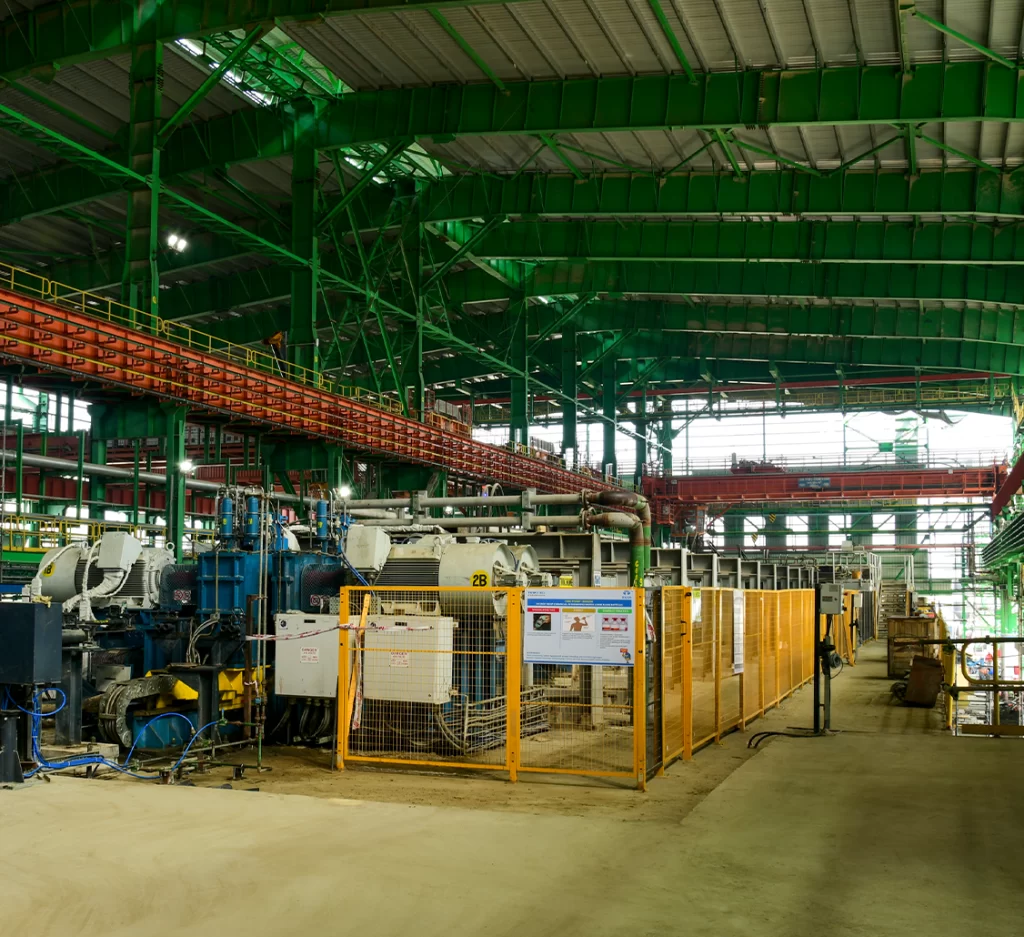
The process
How EAF Green Steel Manufacturing Works?
Recycle & Quality Control
Processed steel from Tata Steel’s Rohtak recycling facility first passes through best-in-class magnetic separation, screening out raw material.
Shred & procure
A captive in-house shredder (1st in industry) reduces impurities, and the FerroHaat platform ensures every batch is digitally procured.
Arc-furnace melt
The shredded charge is then melted in the Electric Arc Furnace, where hot oxidising slag at around 1,600°C pulls out sulphur, silicon, phosphorus and manganese.
Control chemistry
ECS, Q-One and Q-Melt systems monitor chemistry.
Cast & roll
The refined steel is cast on an Octacaster (1st in India, 7.5 m/min) and rolled into IS 1786 compliant TMT bars.
Key features
Why EAF Green Steel is the Future?

India’s own EAF Green Rebar
Produced at the state-of-the-art mill in the country, 4x bigger furnace than traditional IF plants.

Same strength you trust
Same earthquake resistance. Same mechanical strength. Same chemical purity.

New sustainability advantage
New sustainability advantage with lower carbon footprint.

Automated quality control
ECS, Q-One and Q-Melt automated chemistry control; Octacaster (1st in India, 7.5 m/min).
Applications
Uses of EAF Green Steel Rebar
Tata Tiscon 550SD from EAF Ludhiana is built for the same construction applications as primary-route:

Residential Homes
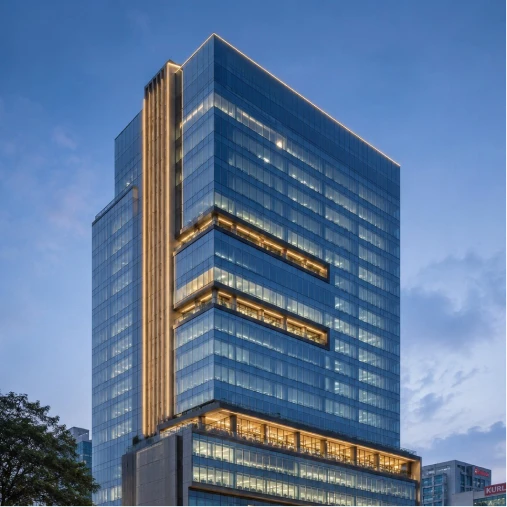
Commercial Buildings

Multi-Storey Structures
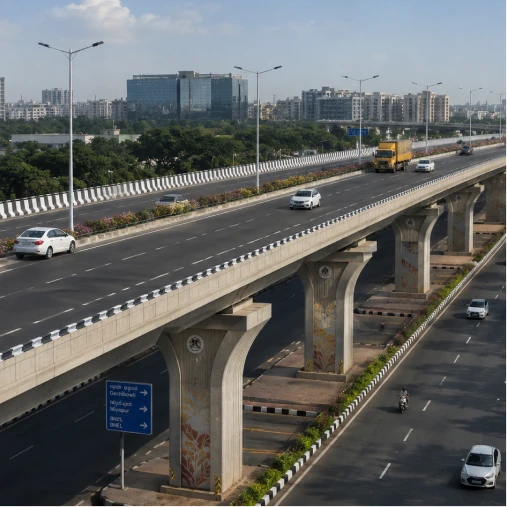
Infrastructure Projects
The Super Ductile (SD) variant, with a UTS/YS ratio of ≥1.15, is engineered for earthquake-prone regions. It is also positioned for LEED and GRIHA-rated buildings and is eligible for the Government’s Green Steel Public Procurement Policy from FY28.
Benefits
Advantages of EAF Green Steel Manufacturing

Low Carbon
Carbon emission below 0.5 tonnes of CO₂ per tonne, up to 80% lower than traditional BF-BOF steel.

Strength
Same strength and ductility as Tata Tiscon 550SD.

Design
Up to 6% steel savings via optimised design.
Expert Opinion on EAF Process
Manufacturing Standards
Quality Assurance in EAF Green Steel Manufacturing
Tata Tiscon 550SD from EAF Ludhiana is manufactured to IS 1786, Fe 550D (SD) grade, with the mandatory BIS / ISI Mark. The product exceeds IS code limits on every key parameter:
| Parameters | Tata Tiscon EAF | IS Code |
|---|---|---|
| Yield Strength (min) | 570 MPa | 550 |
| UTS / YS Ratio | ≥ 1.15 | ≥ 1.08 |
| Carbon Equivalent | ≤ 0.50 | ≤ 0.61 |
| Sulphur + Phosphorus (each) | ≤ 0.035% | 0.040% |
Verifiable via
Mill Test Certificate
Ring Test
Weight Test