

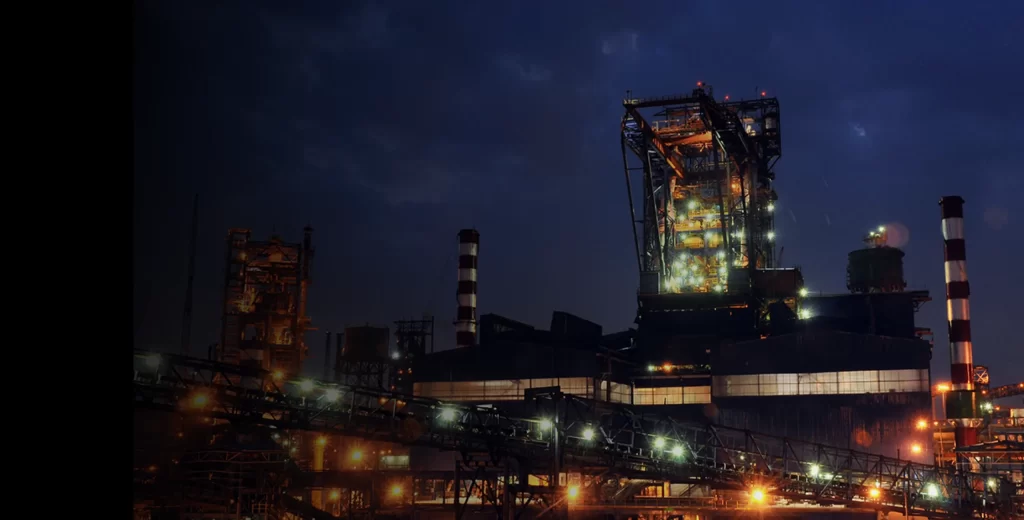
Integrated Blast Furnace Steelmaking for Reliable Construction Steel
Built on decades of metallurgical expertise, our blast furnace steelmaking process delivers steel with exceptional consistency, controlled chemistry, and dependable structural performance.
Discover how Tata Tiscon’s traditional blast furnace steel manufacturing process produces high-strength, super ductile rebars trusted by over 5 lakh homes every year.
Traditional Blast Furnace Steel Manufacturing Process
Blast furnace steel is produced through one of the most established and reliable methods in modern metallurgy. The traditional steel manufacturing process begins with iron ore and ends with precisely engineered steel that meets exacting mechanical and chemical standards.
At Tata Tiscon, the conventional steel production route from blast furnace to BOF steelmaking, ladle refining, continuous casting, and thermomechanical treatment, is carried out under close supervision of frontline metallurgists and engineers. Every step of this blast furnace process is designed to deliver steel with a consistent microstructure, superior strength, and the ductility required for construction across India’s diverse seismic zones.
The process
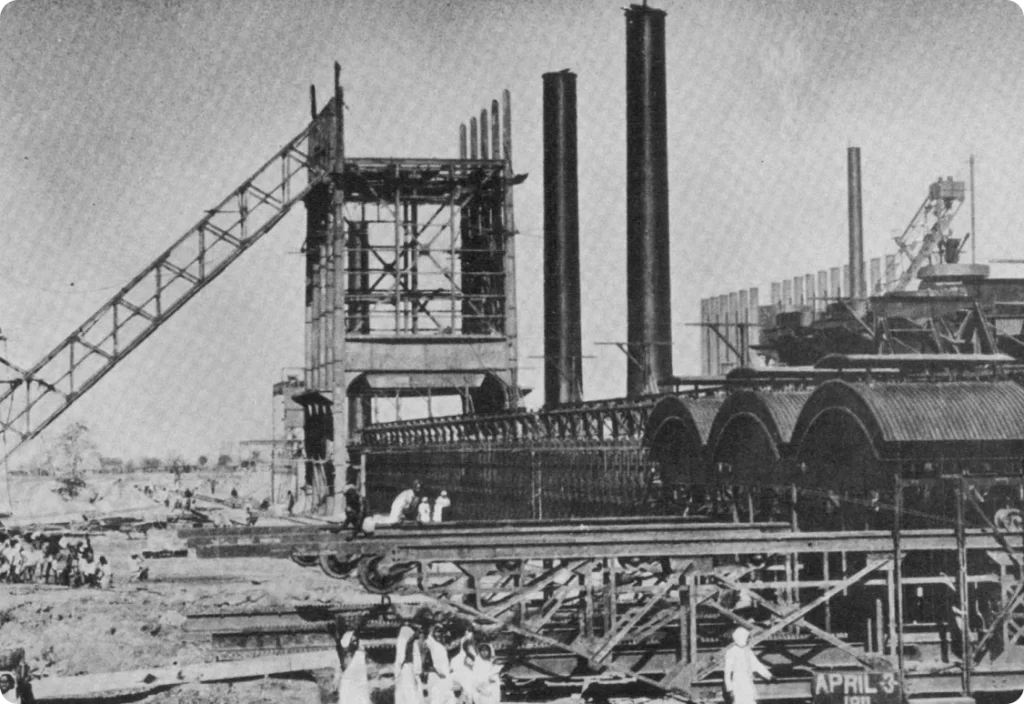
How Blast Furnace Steel Manufacturing Works
The blast furnace operation begins with iron ore being reduced to hot metal at extremely high temperatures using coke and limestone.
This hot metal is then converted to liquid steel through the Basic Oxygen Furnace (BOF) steel production process.
In the ladle furnace, precise levels of carbon, manganese, and silicon are achieved using advanced analytical models, while sulphur and phosphorous are controlled below permissible limits.
The steel is then cast into billets through continuous casting before moving to hot rolling and thermomechanical treatment.
This blast furnace steel manufacturing route ensures consistency, purity, and mechanical performance at every stage.
Key Features of Blast Furnace Steel Manufacturing

High consistency in steel quality and chemical composition

Advanced impurity control for enhanced durability

Superior strength and ductility in TMT rebars

Optimised rolling and rib patterns for stronger concrete bonding

Reliable manufacturing process for large-scale steel production

Sustainable and controlled steelmaking practices
Applications of Blast Furnace Steel
Steel produced through the blast furnace process is widely used across multiple construction and infrastructure sectors, including:

Residential Buildings and Homes

Commercial Complexes

High-Rise Structures

Bridges and Flyovers
The high strength and structural reliability of blast furnace steel make it suitable for projects requiring long-term durability and safety.
Benefits of Traditional Blast Furnace Steel Manufacturing

Quality
Consistent and reliable steel quality

Composition
Better control over material composition
Performance
High structural performance
Durability
Enhanced durability and safety
Strength
Stronger rebars for demanding construction conditions
Sustainability
GreenPro-certified eco credentials
Quality Standards in Blast Furnace Steel Manufacturing
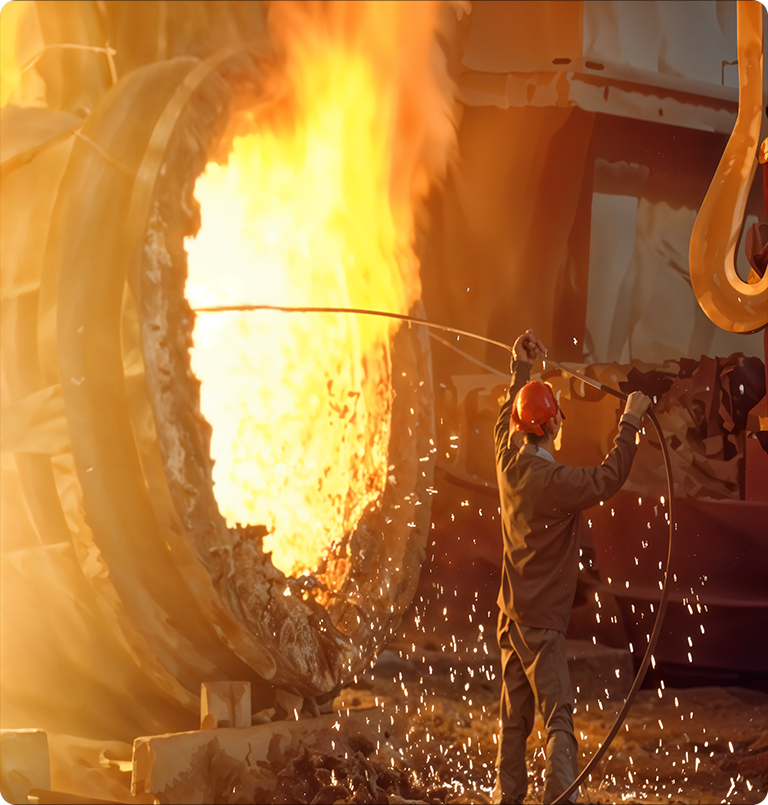
Tata Tiscon’s blast furnace steel meets some of the most stringent quality benchmarks in the Indian steel industry. Products comply with IS 1786:2008 for high-strength deformed steel bars and IS 13920:2016 for ductile design of reinforced concrete structures in seismic zones. Chemical composition is tightly controlled. Carbon, sulphur, and phosphorous levels are maintained below specified limits. Every rebar undergoes testing and evaluation before shipment, ensuring consistent mechanical and structural performance.
Frequently Asked Questions
How does a blast furnace work?
A blast furnace uses high temperatures and reducing agents to extract iron from iron ore. The molten iron is then processed further to produce steel with controlled chemical properties.
What are the uses of blast furnace steel?
Blast furnace steel is used across residential construction (reinforcement bars in foundations, columns, slabs, and beams), commercial buildings, bridges, flyovers, dams, metro rail infrastructure, and industrial facilities.
What is the difference between EAF and blast furnace steel manufacturing?
Blast furnace steel manufacturing primarily uses iron ore as the raw material, while Electric Arc Furnace (EAF) steelmaking mainly uses recycled scrap steel or Direct Reduced Iron (DRI). Blast furnace production is known for high-scale integrated steelmaking and strong process consistency.